

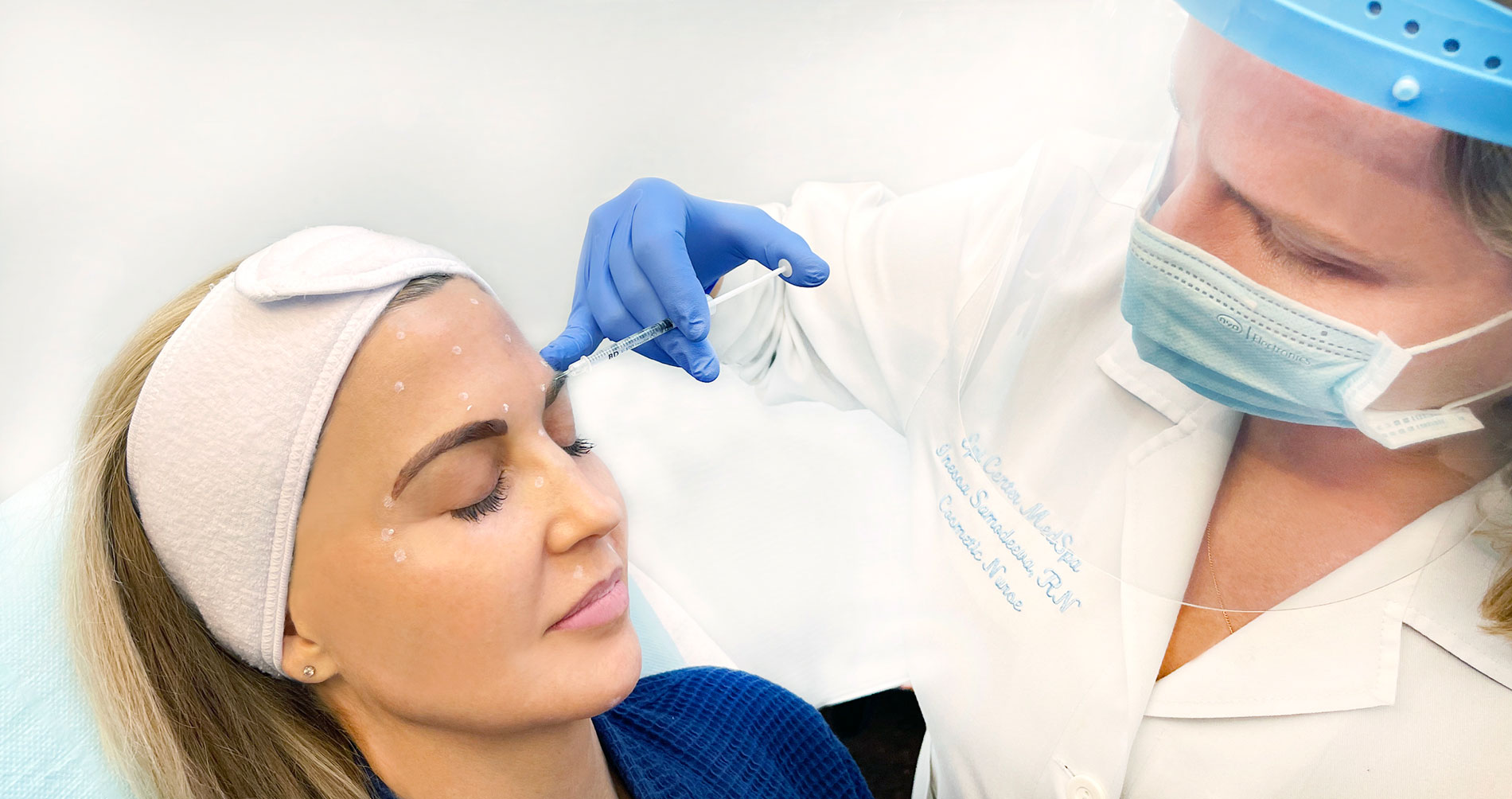
In the world of cosmetic treatments, Botox® and Dysport® are two of the most widely recognized names. While they share many similarities, there are key differences that can influence your choice. In this blog post, we will explore the distinctions between these two popular neuromodulators, their unique benefits, and the latest advancements in their applications.
BOTOX Cosmetic® vs. Dysport®: The Basics
Both Botox® (onabotulinumtoxinA) and Dysport® (abobotulinumtoxinA) are derived from the same bacterium, *Clostridium botulinum*. They work by temporarily blocking nerve signals to the muscles, reducing the appearance of wrinkles and fine lines. However, their formulations and effects can differ.
- Onset of Action
One of the primary differences between Botox® and Dysport® is the onset of action. Dysport® tends to have a quicker onset, with many patients noticing results within just 2 to 3 days. In contrast, Botox® typically takes about 5 to 7 days for full effects to become apparent. This faster action can make Dysport® an appealing option for those seeking quicker results.
- Duration of Results
While both treatments are effective, Dysport® is often noted for its more forgiving drop-off in effects. This means that patients may experience a longer-lasting effect, with results continuing up to 2 weeks longer than Botox® for some individuals. This extended duration can lead to fewer treatment sessions over time, making Dysport® a cost-effective option for long-term wrinkle management.
Areas Treated with Botox® and Dysport®
The Epi Center MedSpa treats a variety of areas using Botox® and Dysport®, including:
– Frown lines
– Forehead lines
– Crow’s feet
– Dimpling chin
– Masseters (for TMJ or facial slimming)
– Downturned smiles
– Lip wrinkles
– Neck bands
– Necklace lines
– Excessive sweating
These treatments help enhance appearance and provide relief from various concerns.
Alternatives to Botox® and Dysport®
Although treatments like Zeomin® and Jeuveau® have received FDA approval, we feel that each of them has specific issues or side effects that render them substandard compared to the gold standard of Botox® and Dysport®. Our patients deserve the best, so we will wait for these products to improve before recommending them.
FDA Approval for Platysma Bands
In exciting news, Botox® has recently gained FDA approval for the treatment of platysma bands in the neck. These bands can become more prominent with age, often leading to an undesirable appearance. While many advanced practices have been using Botox® off-label for this purpose for years, the recent FDA approval underscores its safety and efficacy in treating this specific area. Both Botox® and Dysport® effectively treat platysma bands.
Off-Label Use of Botox®
Off-label use refers to the practice of administering treatments for purposes not specifically approved by the FDA. Many practitioners have successfully utilized Botox® to target platysma bands, enhancing neck contour and reducing the appearance of aging. This treatment can provide a smooth, rejuvenated look, further demonstrating Botox’s versatility beyond wrinkle reduction.
Choosing the Right Treatment for You
When deciding between Botox® and Dysport®, consider factors such as your desired results, the speed of onset, and how long you want the effects to last. Consulting with a qualified practitioner can help you determine which option aligns best with your aesthetic goals.
Both Botox® and Dysport® have their unique benefits, and understanding these differences is crucial in making an informed decision about your cosmetic treatments. While other options exist, we believe that Botox® and Dysport® currently offer the best results for our patients. Whether you opt for the quicker onset of Dysport® or the latest FDA-approved uses of Botox®, both options can help you achieve a more youthful appearance.For more personalized advice or to schedule your consultation, contact our MedSpa today!